Fine Lines & Wrinkles: Causes, Prevention & Care Tips
What Are Fine Lines and Wrinkles?
Fine lines and wrinkles are both types of creases or folds that develop on the skin, but they differ in depth and prominence. Understanding the distinction between them can help you recognize what you're seeing on your skin and set realistic expectations for care.
Fine lines are shallow, subtle creases on the skin's surface. They're usually the first visible signs of aging skin and often appear as tiny lines or crinkles, particularly around areas that move frequently, like around the eyes or on the forehead. You might notice fine lines most clearly when you smile or squint, though they can become visible even at rest as time goes on. Fine lines are typically the result of minor loss of collagen and elastin, slight dehydration, or early sun damage. They're like delicate pencil marks on the skin, faint but noticeable when you look closely.
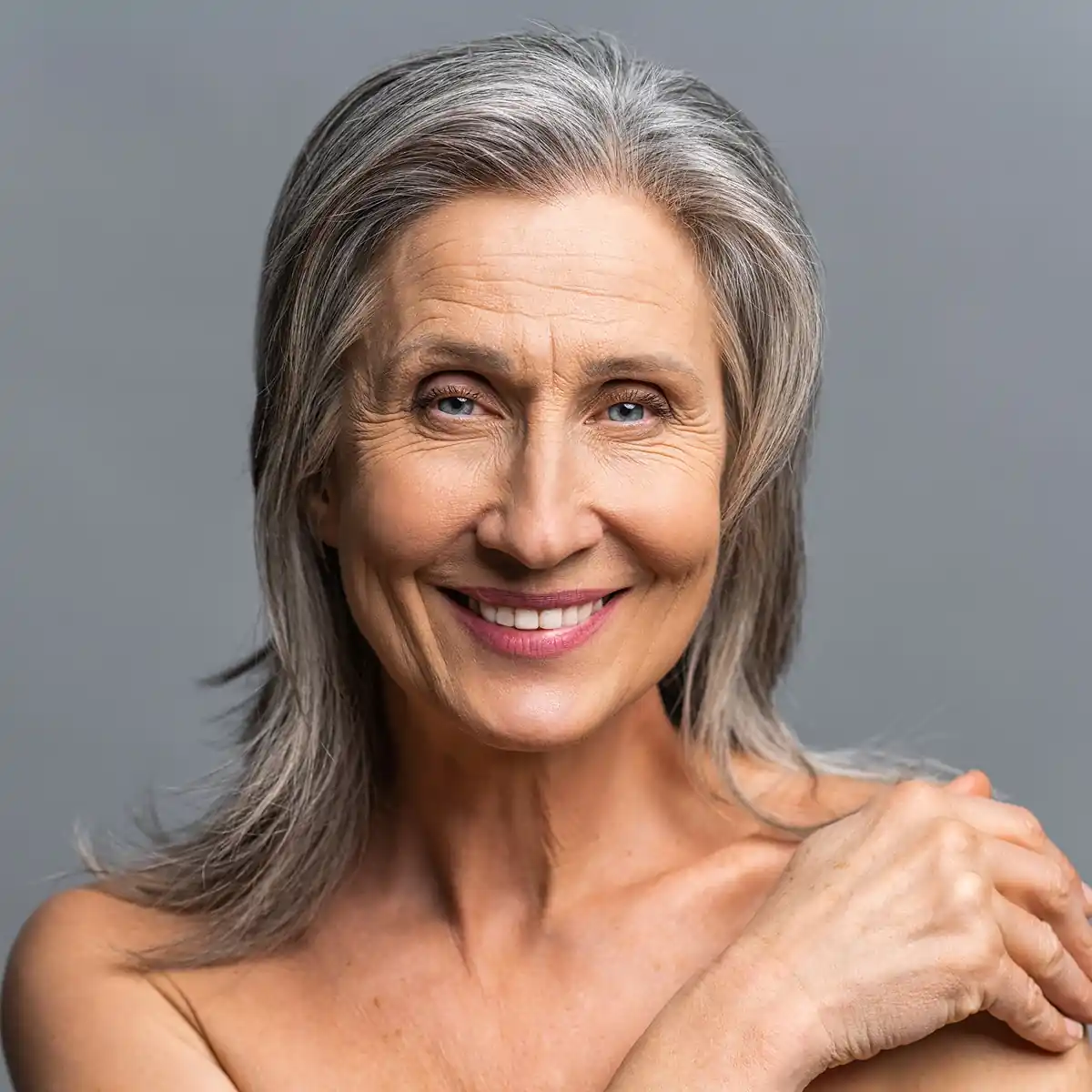
Wrinkles, on the other hand, are deeper, more defined folds or creases in the skin. They're essentially fine lines that have become more pronounced over time. While fine lines might only be visible when you make certain expressions, wrinkles are often apparent even when your face is completely relaxed. Wrinkles result from more significant loss of skin structure, including substantial collagen and elastin breakdown, repeated creasing of the skin over years, and cumulative damage from sun exposure and other factors. They're like deep grooves etched into the skin that have become permanent features.
The progression from fine lines to wrinkles is gradual. A fine line around your eye that only shows when you smile in your thirties might become a wrinkle that's visible all the time by your fifties. Both fine lines and wrinkles are lines that form in your skin from natural changes in your body as you age. They can appear anywhere on your body, though we tend to notice them most on the face, neck, hands, and arms because these areas get the most sun exposure and movement.
It's important to note that fine lines and wrinkles are completely natural. As your body ages, it's expected that your skin will start to show these lines. People often notice fine lines in their late twenties or thirties, sometimes even earlier for those with expressive faces or significant sun exposure. Wrinkles typically become more prominent in the forties and fifties, continuing to deepen thereafter. By the time we reach our sixties and beyond, skin wrinkles are usually quite visible and are a normal hallmark of the aging process.
Anti-Aging Skin Treatments at South Tulsa Plastic Surgery
- Microneedling
- Vampire Facial
- Renuvion
- Sciton BBL HERO
- Arctic ProFractional Laser
- Injectables
Frequently Asked Questions
How Does Skin Aging Lead to Lines and Wrinkles?
To understand fine lines and wrinkles, it helps to know how our skin is structured and how it changes with age. Your skin is built with a sophisticated support system that keeps it firm, smooth, and elastic when you're young.
The dermis, the middle layer of skin, contains the structural framework that keeps skin taut. The two key proteins here are collagen and elastin. Collagen is the most abundant protein in our skin, acting as the skin's scaffolding or support structure. The word collagen comes from a Greek root meaning glue because it helps hold our tissues together. Collagen fibers are tough and provide firmness and strength, keeping skin plump and preventing it from sagging.
Elastin is another crucial protein that, as the name implies, provides elasticity. Elastin fibers function like tiny rubber bands within the skin, allowing it to stretch when you smile or frown and then snap back to its original position. Thanks to elastin, your skin can move with your facial expressions and then return to smoothness once you relax your face.
Hyaluronic acid, a molecule found naturally in the skin, helps retain moisture. It can hold many times its weight in water, keeping the skin hydrated and supple. In youthful skin, these elements are abundant, and the skin's layers are thick and well-moisturized. This is why young skin looks firm, smooth, and bounces back easily.
As we get older, significant changes occur in all layers of the skin. Our bodies slowly produce less collagen and elastin each year, and the existing fibers start to loosen or break. Collagen production begins to decline in the mid-twenties and keeps decreasing with each passing decade. If you imagine your skin as a rubber band, with age it's like the rubber band has been stretched out too many times. It loses that snap-back quality.
The dermis becomes thinner and less structurally sound as its network of fibers loosens and unravels. With a weaker support structure underneath, the surface of the skin doesn't lay as flat and smooth as before, so wrinkles and folds start to form. Not only do we have fewer collagen and elastin fibers as time goes on, but older skin cells also don't function as vigorously. Cell turnover, the process by which old skin cells are shed and replaced with new ones, slows down. Oil glands become less active, so the skin tends to be drier and less naturally moisturized. The skin also gradually loses some of its ability to hold onto water in the outer layer.
The fat layer beneath the skin also diminishes with age. This subcutaneous fat acts like natural padding that fills out the skin and keeps it looking plump. When this fat decreases, the skin has less support from underneath and may sag or wrinkle more readily. Even facial bones undergo changes, becoming less dense and slightly smaller over time, which removes some of the structural foundation that kept skin taut.
All these biological changes work together to create an environment where fine lines and wrinkles can form. The loss of collagen and elastin means skin can't resist creasing as well. The reduction in moisture and oil means skin is drier and shows lines more easily. The decrease in underlying support means gravity can pull on the skin more effectively, creating folds and sagging.
What Causes Fine Lines and Wrinkles to Develop?
While natural aging is the foundation for all fine lines and wrinkles, numerous factors influence how quickly and extensively they appear.
Sun exposure is by far the most significant external cause of premature wrinkles. Ultraviolet rays from the sun damage skin in multiple ways. UV radiation breaks down collagen and elastin fibers directly, destroying the very structure that keeps skin smooth and firm. This process, called photoaging, causes the skin to age much faster than it would naturally. Studies show that up to 80 percent of visible facial aging is attributable to sun exposure rather than natural aging alone. People who've spent decades in the sun without protection often have significantly more wrinkles than those of the same age who protected their skin.
The damage accumulates over time. Every moment of sun exposure adds to your skin's lifetime UV burden. This is why dermatologists emphasize that sun protection is the single most effective anti-aging measure you can take. Areas of your body that get the most sun, like your face, neck, chest, and hands, are typically where wrinkles appear first and most prominently.
Smoking dramatically accelerates wrinkle formation. The chemicals in tobacco smoke damage collagen and elastin through oxidative stress, essentially producing toxins that attack skin cells. Nicotine causes blood vessels in the skin to constrict, reducing blood flow and depriving skin tissues of oxygen and nutrients they need to stay healthy and repair themselves. Research has found that smoking reduces the production of new collagen in the skin, accelerating the loss of elasticity. Smokers in their forties can often have similar wrinkle levels as nonsmokers in their fifties or sixties. The repetitive facial movements of smoking, like lip pursing and squinting to avoid smoke, also create dynamic wrinkles that eventually become permanent. Studies of identical twins with different smoking histories show the smoking twin has far more wrinkles and sagging than the non-smoking twin.
Facial expressions and repetitive movements contribute significantly to certain types of wrinkles. When you smile, frown, squint, or raise your eyebrows, the underlying facial muscles contract and crease the skin above them. In youth, these lines appear only during the expression and disappear completely when your face relaxes. However, over years of making the same expressions thousands of times, the skin begins to remember the crease. As elasticity decreases with age, those expression lines don't spring back as easily and eventually become etched as static wrinkles that are visible even when your face is at rest.
Dehydration and dry skin can emphasize fine lines. When skin is well-hydrated, it appears plumper and smoother. Conversely, dehydrated or dry skin makes fine lines and wrinkles look worse than they actually are. While dryness doesn't directly cause deep wrinkles, which are more about collagen loss, lack of moisture causes skin cells to shrivel slightly, and textures that were once smooth start to crease. As we age, skin naturally becomes drier because oil glands produce less sebum and the skin barrier weakens, allowing more water to escape. External factors like cold weather, low humidity, indoor heating, long hot showers, or harsh soaps can further dehydrate skin.
Environmental pollution contributes to premature aging. Air pollutants like fine particulate matter, ozone, and various chemicals create oxidative stress on the skin. These free radicals damage cellular structures, including collagen and elastin. People living in highly polluted urban areas may show more signs of premature skin aging, including wrinkles, compared to those in cleaner environments. Pollution combined with sun exposure creates a particularly damaging combination.
Sleeping position can create wrinkles over time. When your face is pressed against a pillow night after night in the same way, it creates compression and folding of the skin. These sleep wrinkles initially appear temporarily when you wake up and fade during the day. However, as skin loses elasticity with age, those creases can persist longer and eventually become etched as permanent lines. Sleep wrinkles often appear in different patterns than expression lines and tend to form on the side of the face you sleep on most.
Poor nutrition affects skin health. Your skin needs proper nutrients to produce collagen and repair itself. Diets lacking in proteins, healthy fats, vitamins, and antioxidants deprive skin of building blocks it needs. Excessive sugar consumption can damage collagen through a process called glycation, where sugar molecules attach to collagen fibers and make them stiff and brittle.
Chronic stress and lack of sleep accelerate skin aging. Stress produces cortisol, a hormone that breaks down collagen. When you're stressed, your body prioritizes essential functions over skin maintenance. Sleep is when your body builds collagen and repairs UV damage. Chronic sleep deprivation interferes with these repair processes, and studies show people who don't get enough sleep develop more fine lines and wrinkles.
Alcohol consumption in excess dehydrates the body and skin, leading to more prominent fine lines. It also dilates blood vessels and can cause inflammation that damages skin over time. Weight fluctuations, particularly losing significant weight rapidly, can contribute to wrinkles as the skin that was stretched may not fully retract, leaving it looser and more prone to creasing.
Genetics play a role in how your skin ages. Some people are born with thicker, more collagen-rich skin that maintains its firmness longer. Others inherit thinner skin that shows signs of aging earlier. If your parents or grandparents developed deep wrinkles early, you may be predisposed to similar patterns.
Where Do Fine Lines and Wrinkles Most Commonly Appear?
Fine lines and wrinkles can develop anywhere on the body, but certain areas are particularly prone to them due to frequent movement, thin skin, or significant sun exposure.
Crow's feet are the small fine lines at the outer corners of the eyes, radiating out like a crow's foot imprint. They're one of the earliest and most common fine lines people notice, often starting as tiny crinkles when you smile or squint. The skin around the eyes is very thin, making it more vulnerable to collagen loss and movement. Crow's feet can deepen with years of smiling and sun exposure, especially if you're squinting in bright sunlight. They're classic examples of expression lines that become permanent.
Forehead lines are horizontal lines that go across your forehead. They form when you raise your eyebrows in expressions of surprise or concern. Over time, you might develop one or more lines that are visible even when your face is at rest, giving the forehead a lined appearance. Deeper forehead lines are common as we age and can be linked to habitual expressions like frequent eyebrow raising or tension in the forehead muscles.
Frown lines, also called glabellar lines or the eleven lines, are vertical lines between the eyebrows. They appear when you furrow your brow, squint, or concentrate. Many people develop persistent vertical lines in this area as they age, which can make them look stern or tired. These lines are caused by repeated frowning or concentrating expressions over the years, and as skin loses elasticity, they remain visible even when relaxed.
Smile lines, or nasolabial folds, are the lines that run from the sides of the nose down to the corners of the mouth. Everyone has these folds to some degree. In youth, they might only show when smiling, but with age they can deepen and become visible all the time. They're caused partly by repeated smiling, which is why they're sometimes called laugh lines, and also by volume loss in the cheeks that occurs with age, making the fold look deeper.
Marionette lines are vertical lines that extend from the corners of the mouth downward toward the chin, resembling the lines on a marionette puppet. They can give a downturned expression to the face. They appear as skin loses elasticity and starts to sag around the lower face, often becoming more noticeable in the fifties or sixties. Repeated mouth movements and gravity contribute to these lines.
Lip lines, or perioral lines, are fine vertical lines around the lips, often most visible on the upper lip. They're commonly associated with smokers due to the repetitive pursing motion, so they're sometimes called smoker's lines, but anyone can develop them with age. Drinking through straws, whistling, or simply the way one speaks can contribute. These fine lines can appear in the late thirties or forties as collagen around the mouth diminishes.
The neck is another common area for wrinkles. Horizontal lines, sometimes called neck rings, and crepey skin develop as we age. The neck's skin is relatively thin and often gets sun exposure but is frequently neglected in skincare routines. In recent years, dermatologists have noted tech neck, where younger people develop lines from looking down at phones and computers frequently.
The chest, particularly the upper chest or décolletage, can develop fine lines and crinkles. This is especially common in people who get sun on this area or who sleep on their sides. The skin can be creased during sleep when pressed together, and combined with sun damage and general aging, this creates visible lines radiating from the cleavage area.
Under-eye areas can develop fine lines and wrinkles in addition to crow's feet. The delicate skin under the eyes can show creasing, especially when combined with volume loss that creates hollowness. The backs of the hands are also prone to wrinkles and crepey skin, as this area receives significant sun exposure and has thin skin with less fat padding underneath.
When Do Fine Lines and Wrinkles Typically Begin?
The appearance of fine lines and wrinkles follows a general timeline, though individual experiences vary based on genetics, sun exposure, lifestyle, and skincare habits.
In the twenties, most people have smooth, line-free skin when their face is at rest. You might notice the very first fine lines, particularly around the eyes when you smile broadly or squint. These are purely dynamic, appearing with expression and disappearing completely when relaxed. Some people who've had extensive sun exposure or who smoke may see earlier signs.
The late twenties to early thirties often mark when fine lines become slightly more noticeable. You might start seeing faint lines around the eyes or on the forehead that take a moment longer to disappear after making an expression. The skin may feel slightly less bouncy or resilient. These changes are usually subtle, and many people don't recognize them as the beginning of aging but rather attribute them to tiredness or stress.
The mid to late thirties are when fine lines often become more established. Crow's feet might be faintly visible even at rest. Forehead lines may persist after you raise your eyebrows. You might notice the first subtle nasolabial folds. The skin's texture may change, becoming less dewy and more prone to showing every little line. This is when many people start taking anti-aging skincare more seriously.
The forties bring more visible changes for most people. Fine lines evolve into early wrinkles. Crow's feet are usually apparent, forehead lines are visible at rest, and frown lines between the brows may have developed. Nasolabial folds deepen. The neck may start showing horizontal lines. Under-eye areas might show more creasing. Expression lines that were once temporary now remain as permanent features.
In the fifties and beyond, wrinkles typically become quite pronounced. Crow's feet are deeper and may extend further from the eyes. Forehead lines are distinct grooves. Nasolabial folds are prominent, and marionette lines often appear. Lip lines become more visible. The neck shows significant wrinkling and crepiness. The overall skin texture appears more lined and less smooth. For women, menopause accelerates these changes due to dramatic drops in estrogen, which affects collagen production.
By the sixties, seventies, and beyond, wrinkles are usually extensive and deep. The face has a naturally aged appearance with lines and folds throughout. The skin appears thinner, more fragile, and more textured. These changes are completely normal and natural at this life stage.
However, the timeline varies enormously among individuals. Someone who has consistently protected their skin from the sun, never smoked, maintained good hydration and nutrition, and has favorable genetics might have minimal wrinkles well into their fifties or even sixties. Conversely, someone with significant sun damage, a smoking history, or genetic predisposition might show substantial wrinkles in their thirties or forties. Lifestyle choices made throughout life significantly impact when and how extensively wrinkles appear.
Can Fine Lines and Wrinkles Be Prevented or Minimized?
While you cannot stop the natural aging process, you can take meaningful steps to slow the development of fine lines and wrinkles and minimize their appearance.
Sun protection is the single most important anti-aging measure you can take. Wear broad-spectrum sunscreen with SPF 30 or higher every single day, regardless of weather or season. Apply it generously to your face, neck, chest, hands, and any exposed areas. Reapply every two hours when outdoors. Seek shade during peak sun hours between 10 a.m. and 4 p.m. Wear protective clothing, wide-brimmed hats, and UV-protective sunglasses. This one habit can dramatically slow wrinkle formation.
Never smoke, or if you do, quit. Smoking is one of the most damaging things you can do to your skin. It accelerates wrinkle formation dramatically and causes premature aging throughout your body. Quitting at any age provides benefits, though earlier is better.
Maintain a consistent, gentle skincare routine. Cleanse your face daily with a mild cleanser to remove dirt, oil, and pollutants without stripping your skin. Moisturize morning and night to maintain your skin barrier and keep skin hydrated. Well-moisturized skin shows fine lines less prominently and functions better.
Consider products with proven anti-aging ingredients. Retinoids stimulate collagen production and increase cell turnover. Vitamin C provides antioxidant protection and supports collagen synthesis. Peptides may help support skin structure. Hyaluronic acid provides intense hydration. Niacinamide supports skin barrier function. Always introduce new products gradually and be consistent with use.
Protect your skin from environmental damage. Cleanse thoroughly at the end of each day to remove pollutants. In harsh weather, use appropriate protection and heavier moisturizers when needed. Antioxidant serums can help neutralize free radicals from pollution and UV exposure.
Eat a nutrient-rich diet that supports skin health. Include foods high in antioxidants like berries, leafy greens, and colorful vegetables. Ensure adequate protein intake for collagen building blocks. Include healthy fats from fish, nuts, and avocados. Limit excessive sugar, which can damage collagen through glycation.
Stay well-hydrated by drinking adequate water throughout the day. While water alone won't prevent wrinkles, proper hydration supports overall skin health and helps skin maintain its plumpness and function optimally.
Get sufficient, quality sleep. During sleep, your body produces collagen and repairs damage. Aim for seven to nine hours per night. Consider sleeping on your back rather than your side or stomach to minimize compression and creasing of facial skin against pillows.
Manage stress through exercise, meditation, adequate rest, or activities you enjoy. Chronic stress produces hormones that break down collagen. Finding healthy ways to manage stress benefits your entire body, including your skin.
Avoid or limit alcohol consumption. Alcohol dehydrates skin and can cause inflammation. Moderate consumption is key to maintaining skin health.
Be gentle with your skin. Avoid harsh scrubbing, pulling, or rubbing. Pat your face dry rather than rubbing vigorously. Apply skincare products with gentle, upward motions.
Wear sunglasses regularly to reduce squinting, which creates crow's feet. Ensure you have proper prescription glasses if needed so you're not constantly squinting to see.
Stay physically active. Exercise improves circulation, which brings nutrients and oxygen to skin cells. It also helps manage stress and supports overall health, which reflects in skin quality.