Understanding the Changes in Your Facial Structure
What Is Facial Volume Loss?
Facial volume loss describes the gradual reduction of natural fullness or plumpness in the face that occurs as part of the aging process. When we are young, the face has ample fat in specific compartments that give it a firm, rounded shape, dense supportive collagen in the skin, and robust underlying bone structure. These elements together create youthful contours, like the full cheeks and smooth under-eye area characteristic of children and young adults. As we age, however, the fat pads in the face diminish in size, bones shrink and recede, and skin loses elasticity and thickness. This combination causes the face to literally lose volume from within, similar to a balloon slowly deflating.
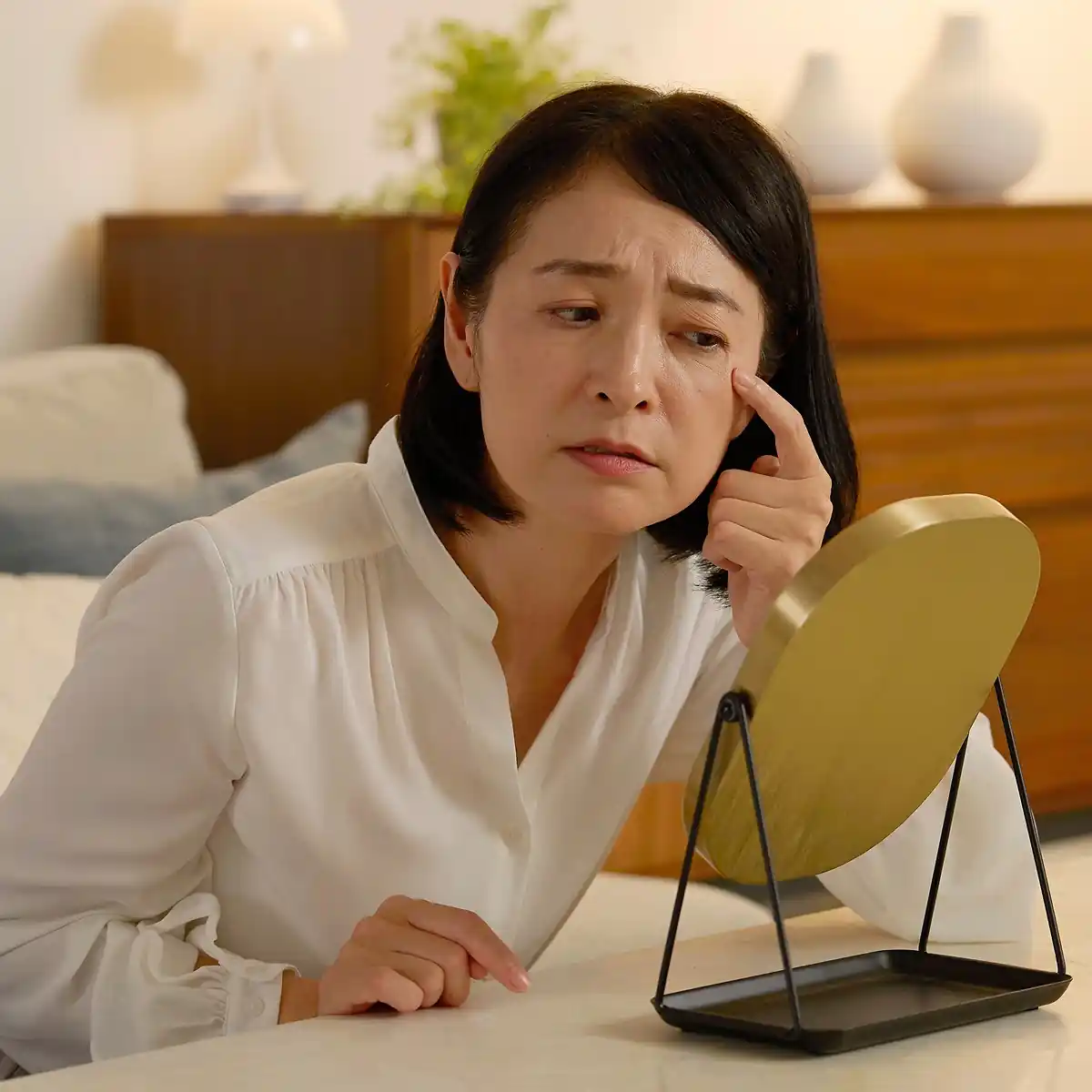
Visually, facial volume loss often manifests as hollows or sunken areas, such as hollows under the eyes or in the cheeks, and sagging or drooping skin due to the loss of internal support. Someone experiencing facial volume loss might notice that their cheeks look flatter or less pronounced, their temples appear hollow, or their eyes look more deep-set with dark circles or bags. The mid-face, around the cheeks and under-eyes, can take on a gaunt appearance, meaning it looks thinner or more drawn in.
It's important to note that facial volume loss is a natural part of aging, not a disease or abnormal condition. Everyone will experience it to some degree, though the extent and timing vary from person to person. Some individuals maintain a fuller face longer, often due to genetics or body type, while others might notice volume loss earlier. Facial volume loss is distinct from overall weight loss. You can have a stable body weight but still see changes in your face due to aging. It's a localized process driven by biology, where fat compartments in the face shrink or shift, bones undergo remodeling, and skin becomes less taut. Understanding what happens beneath the surface can help you recognize these normal changes and make informed decisions about caring for your skin and overall health.
Facial Volume Loss Treatment at South Tulsa Plastic Surgery
- Juvederm
- Restylane
Frequently Asked Questions
How Does the Face Change With Age?
Facial aging is a multi-layered process that doesn't occur just in the skin but in every layer of the face, from bone to muscle to fat to skin. To understand facial volume loss, it helps to know how each of these structural layers changes over time.
In youth, all the layers exist in balance. The bones of the face provide a strong scaffold, facial fat pads are well-supported and nestled in place, facial muscles are firm, and the skin envelope is thick and elastic. With age, changes in each layer disrupt this balance and collectively lead to the outward signs of volume loss and sagging.
One major component of facial volume is subcutaneous fat, the fat just beneath the skin, which is organized into discrete fat pads in different regions of the face. These fat pads act like natural fillers that keep facial contours soft and youthful. As we age, the fat pads undergo significant changes. In the upper and mid-face, fat pads tend to shrink or atrophy, while in some parts of the lower face, certain fat deposits may actually become more prominent or descend due to gravity.
Beneath the soft tissues, our facial bones form the foundation that supports the face's shape. Many people are surprised to learn that the skull and facial bones change with age, just like other bones in the body. Bone is living tissue that undergoes remodeling throughout life. With aging, facial bones can lose density and volume through a process called resorption. This bone loss is subtle but significant. For instance, the eye sockets can become larger, the cheekbones may recede slightly, and the jawbone can shrink. When the bony framework shrinks, there's less support for the overlying fat and skin, which contributes to sagging and a deflated appearance.
The skin itself undergoes profound changes. Youthful skin is thick, rich in collagen and elastin, and has abundant hyaluronic acid that keeps it hydrated and plump. As we age, collagen production slows significantly. We produce less collagen each year after our mid-twenties, and the collagen we do have becomes more fragmented and less organized. Elastin, the protein that allows skin to snap back after stretching, also degrades and becomes less functional. This loss of structural proteins means the skin becomes thinner, less elastic, and more prone to wrinkling and sagging. Additionally, hyaluronic acid levels decline, leading to drier, less plump skin.
Facial muscles also play a role, though less prominently than fat, bone, and skin. Some facial muscles may weaken or thin with age, while others may become overactive from repetitive expressions. The ligaments that attach skin and soft tissue to bone can stretch or weaken over time, allowing tissues to sag downward rather than staying firmly attached to the underlying structure. When fat pads lose their ligamentous attachments, they descend, creating folds and jowls.
All these changes happen gradually and simultaneously, which is why facial aging is complex. The hollowing you see in the cheeks results from fat loss, bone recession, and skin thinning all occurring together. Understanding this multi-layered process helps explain why facial volume loss creates such significant changes in appearance.
What Causes Facial Volume Loss to Occur?
Facial volume loss results from the natural aging process, but several factors influence how quickly and extensively it happens.
The primary driver is simply the passage of time and the biological changes that come with it. As we age, our bodies gradually produce less of the substances that keep our face full and firm. Collagen production declines starting in our mid-twenties. Fat cells in certain facial compartments shrink or reduce in number. Bones undergo a slow process of resorption where they lose density and mass. These changes are programmed into our biology and happen to everyone, though at different rates.
Genetics play a significant role in how your face ages. Your genetic makeup determines your baseline facial structure, including how thick your skin is, how large your facial fat pads are to begin with, your bone structure, and your skin's natural collagen content and rate of collagen loss. Some people are born with rounder face shapes or more subcutaneous fat in the face. These individuals often appear to age more slowly in terms of volume loss because they have more reserve to lose, and the fullness persists longer. In contrast, someone with a lean face early in life might notice signs of volume loss sooner. If your parents or grandparents retained round, full cheeks into old age, you might also have a genetic predisposition to maintain more facial fat, whereas if everyone in your family tends to get a thin, hollow face with age, you'll likely follow a similar pattern.
Hormonal changes significantly impact facial volume. For women, menopause brings a dramatic drop in estrogen, which affects collagen production, skin thickness, and fat distribution. Many women notice accelerated facial aging in their fifties as estrogen declines. Men also experience hormonal changes with age, though typically more gradually, which can affect skin quality and fat distribution.
Sun exposure and UV damage are among the most significant external factors accelerating volume loss. Chronic sun exposure breaks down collagen and elastin in the skin, a process called photoaging. It also damages the skin's support structure, leading to premature thinning and sagging. People who have spent significant time in the sun without protection often show facial aging earlier and more severely than those who protected their skin.
Smoking dramatically accelerates facial aging. The chemicals in cigarette smoke damage collagen and elastin, reduce blood flow to the skin, and impair the skin's ability to repair itself. Smokers often develop premature wrinkling and volume loss, particularly around the mouth and eyes.
Significant weight loss, especially rapid weight loss, can make facial volume loss more apparent. When you lose substantial weight, you lose fat throughout your body, including in your face. This can create a gaunt or hollowed appearance, sometimes referred to in recent years as "Ozempic face" after the weight loss medication that can cause rapid fat reduction. Even maintaining a stable weight throughout life won't prevent age-related facial volume loss, but dramatic weight fluctuations can make it more noticeable.
Poor nutrition, inadequate hydration, lack of sleep, and chronic stress all contribute to accelerated facial aging. Your skin needs proper nutrients, particularly proteins, healthy fats, and vitamins, to maintain collagen production and repair itself. Chronic stress and sleep deprivation interfere with these repair processes.
Certain medical conditions and medications can affect facial volume. Conditions like Cushing's disease or long-term use of corticosteroids can affect fat distribution in the face. Some medications have side effects that impact skin health or fat metabolism.
Environmental factors beyond sun exposure also play a role. Pollution, harsh climates, and extreme temperatures can damage skin and accelerate aging. Living in very dry or very humid environments affects skin differently, but both extremes can be challenging.
Where Does Facial Volume Loss Most Commonly Occur?
Facial volume loss doesn't happen uniformly across the face. Some areas are more prone to losing fullness than others. Being aware of these common areas can help you understand the changes you see in the mirror.
The cheeks, particularly the mid-face, are among the most noticeable areas of volume loss. The apples of the cheeks and the area just below the cheekbones often lose volume as fat pads shrink and descend. What you might see is a flattening of the once-rounded cheek contour, leading to less prominent cheekbones. The mid-face might look deflated or droopy. This loss of cheek volume also contributes to deeper nasolabial folds, those smile lines running from the nose to the corners of the mouth, as there is less lift in the cheek to keep that fold smooth. A youthful cheek has a smooth transition into the under-eye area. With volume loss, a distinct hollow or ridge often called the tear trough can appear below the eyes where the cheek volume used to blend upward.
The temples, those flat areas on the sides of your forehead between the corner of the eye and the hairline, undergo temple hollowing, a classic but sometimes overlooked sign of aging. Fat loss in the temples can cause a sunken appearance on the sides of the forehead, which in turn can make the brow bones look more pronounced. People might not notice their temples specifically, but they notice something like, "Why do my eyes look more deep-set or my face more gaunt?" Often it's partially temple hollowing. This can start in the forties or fifties and is more apparent in lean individuals. The eyebrows may tail off downward when temple support diminishes, creating a slight brow droop on the outer sides.
The under-eye region is typically one of the first places to show volume loss. Loss of the fat under the lower eyelid leads to that hollow, sunken eye look or visible tear trough indentation from the inner corner of the eye along the mid-cheek. Often, as the cushioning diminishes, dark circles or shadows appear because the area literally curves inward more. Additionally, remaining fat can protrude as eye bags, which become more obvious when surrounding volume is lost. So you might see puffy lower eyelids and a hollow trough beneath them simultaneously, creating an aged, tired appearance. The eye shape can change from a youthful rounder eye to a more almond or narrow eye due to volume loss and tissue laxity.
The jawline and lower face undergo significant changes due to volume loss in multiple tissues. Common signs include a less defined jawline, the appearance of jowls, which are drooping flesh along the jaw from volume loss in cheeks and jaw fat, and recession of the chin. Where a young jaw is tight and smooth, an older jawline looks irregular and soft. Volume loss in the area on either side of the chin creates indentations that make jowls stand out more. Any remaining fat might bunch toward the center under the chin, contributing to a double chin or saggy neck appearance even without being overweight.
The lips also lose volume with age. Lips can become thinner, with less definition of the lip border. The distance between the nose and upper lip may lengthen as tissues descend. Vertical lines often develop around the mouth as collagen support diminishes.
Understanding which areas change can help you recognize what's normal aging. Hollows under the eyes or slight jowling are very common and natural with age. They don't necessarily reflect unhealthy aging but rather how facial anatomy matures.
When Does Facial Volume Loss Typically Begin?
One common question is at what age we start losing facial volume. The truthful answer is that some aspects of aging begin as early as the twenties, but they happen so slowly that you typically don't see changes for a while. Collagen production starts to decline in the mid-twenties, and we likely begin to lose small amounts of bone and fat in our thirties. However, most people won't notice any visible facial volume loss until at least their thirties or forties, and even then it might be subtle at first, often noticed as looking a bit more tired or the face not being as full as it used to be.
In the late twenties to thirties, collagen and elastin decline is underway, but facial fat is largely still abundant. Some early signs might include the very start of fine lines around the eyes or mouth from collagen loss and possibly a slight decrease in cheek plushness by the late thirties. Many people in their thirties start to notice tired-looking eyes, which can be from a tiny bit of fat loss under the eyes or just thinner skin revealing the orbital bone more. Around the mid-thirties, specific fat pads begin to diminish enough to be noticed externally. You might see a hint of hollowness under the eyes or a faint nasolabial fold that wasn't there before. Forehead lines or crow's feet may become more visible as well.
In the forties, changes often become more apparent. Mid-face volume loss tends to really show up in this decade. The cheeks may start to look flatter and nasolabial folds deepen. Temple hollowing might begin. Under-eye hollows become more pronounced, and the tear trough becomes a common complaint. Many people in their forties start to notice that their face looks different from how they remember it in their twenties and thirties. The jawline might start to soften slightly. Skin elasticity is noticeably reduced, so when fat pads descend even a little, the skin doesn't bounce back as well.
The fifties bring more significant and widespread volume loss. For women, menopause often accelerates facial aging due to hormonal changes. By this decade, most people have noticeable hollowing in multiple areas like cheeks, temples, and under-eyes. The jawline typically becomes less defined, with jowls beginning to form or become more prominent. Nasolabial folds and marionette lines, those lines running from the corners of the mouth down to the chin, are often quite visible. The overall facial shape may shift from the youthful inverted triangle, wide at cheeks and narrow at chin, to a more square or even bottom-heavy shape as tissues descend. Skin looks thinner and less resilient.
In the sixties and beyond, volume loss is usually quite pronounced. Multiple areas of the face show significant hollowing. The face may take on a gaunt or skeletal appearance in severe cases, with very prominent bone structure and deep shadows. The skin has lost much of its elasticity, leading to considerable sagging. Jowls, neck laxity, and deep folds are common. Temple hollowing is often very visible. The entire facial envelope seems too large for the deflated contents beneath. Many people report looking in the mirror and feeling they look much older than they feel inside.
Individual variation is enormous. Some people in their sixties have faces that look relatively full and youthful, while others in their forties show advanced volume loss. Genetics, lifestyle, sun protection habits, and overall health all influence this timeline significantly.
What Is the Emotional Impact of Facial Volume Loss?
The psychological effects of noticing facial volume loss can be significant. Our face is central to our identity and how we present ourselves to the world. When we see changes that make us look older or tired, it can affect our self-esteem and emotional well-being.
Many people describe a moment when they suddenly notice they look different, older than they feel inside. This might happen when catching a glimpse of yourself in an unexpected reflection or seeing photos from an event. The realization that your face has changed can be jarring. Some people describe it as a loss of their younger self or feeling disconnected from their reflection. This can trigger sadness, anxiety, or even grief for the face they once had.
Self-esteem and confidence can take a hit. In our society, youth and attractiveness are highly valued. Looking older can make people feel less attractive, less vital, or less relevant. Some individuals begin to avoid cameras, social situations, or even mirrors because they dislike how they look. This avoidance can impact quality of life and relationships.
The workplace can be another source of anxiety. Some people worry that looking older will make them appear less competent, energetic, or hireable, particularly in fields that value youth. Women, in particular, often report feeling invisible or dismissed as they age, which can be compounded by visible facial aging.
Dating and relationships can also be affected. Those who are single may worry about appearing attractive to potential partners. Even in established relationships, some people feel self-conscious about their changing appearance compared to old photos or their partner's perception of them.
However, it's important to note that reactions to facial volume loss vary tremendously. Some people are barely bothered and accept it as a natural part of life. Others find it deeply distressing. There's no right or wrong way to feel about aging. Cultural factors, personality, life circumstances, and personal values all influence how we respond to physical changes.
Many people find ways to cope and adjust. Some focus on the positives of aging, like wisdom, experience, and perspective. Others take steps to care for their appearance through good skincare, healthy lifestyle habits, or choosing to explore cosmetic options. Finding a balance between acceptance and taking action that makes you feel good can be healthy.
Support from others who understand these feelings can be invaluable. Talking with friends, family, or even a therapist about the emotional aspects of aging can help. Remember that there can be wisdom and authenticity in an aged face. Societal views are slowly shifting, with more representation of older beauty in media. Cultivating a positive internal narrative can greatly mitigate negative feelings.
Facial volume loss can have a real psychological impact, affecting self-esteem, confidence, and emotional well-being. It's a very personal experience. Some are bothered greatly, others little. If you find yourself troubled by the changes, know that you're not alone and that these feelings are common. Acknowledging that it's okay to feel upset about looking older can be helpful. From there, you can work on either taking steps to address appearance through lifestyle changes or focusing on self-acceptance and the non-physical aspects of identity that truly matter.
What Are Common Myths About Facial Volume Loss?
Several misconceptions exist about facial volume loss and aging. Let's address some of the most common myths.
Myth: Facial volume loss only happens if you lose a lot of weight. While weight loss, especially rapid weight loss, can indeed make facial volume loss more apparent, even people who maintain a steady weight will experience facial volume loss with age. It's not just about overall body fat. It's about the structural changes in fat compartments, bone, and skin over time. You could stay the same weight or even gain weight from age thirty to sixty, and your face will still likely look older and less full by sixty because of natural aging processes. Gaining weight might add some superficial fat to the face, but it often doesn't restore the deep structural fat that was lost. Volume loss is primarily age-driven, not simply a byproduct of weight fluctuations.
Myth: Facial aging is just sagging skin. If you tighten the skin, you'll fix the problem. Sagging skin is only one part of facial aging. Volume loss is a distinct issue, meaning that the face can deflate like a balloon, which loose skin alone doesn't explain. Simply tightening skin without addressing volume can make someone look older or strange, like a deflated balloon stretched out. It doesn't look like a full balloon. It just looks taut and thin. The aged face usually needs volume restoration as much as lifting. Loss of bone and fat support causes the skin to sag. It's not just the skin going bad. Youthful faces are full, not just tight.
Myth: Facial exercises can prevent or reverse volume loss. The idea is that exercising your face through facial yoga or exaggerated expressions will build muscle that bulks up the face or tightens it. Unfortunately, there's little evidence that facial exercises can significantly counteract age-related volume loss. Much of the volume loss is fat and bone. You can't exercise fat to make it return, and you certainly can't regrow bone with facial movements. In fact, overactive facial muscles are more known for causing wrinkles than for any anti-aging benefit. Facial exercises won't replenish lost collagen or fat pads.
Myth: Only women experience significant facial volume loss. Both men and women experience facial volume loss as they age. While women may notice more dramatic changes around menopause due to hormonal shifts, men also lose facial fat, bone density, and skin elasticity over time. The patterns might differ slightly, and societal pressures around appearance may affect how much each gender focuses on these changes, but the biological processes affect everyone.
Myth: Expensive skincare products can restore lost facial volume. While good skincare can improve skin quality, texture, and hydration, topical products cannot restore lost fat pads or rebuild bone structure. No cream can replace volume that's been lost from beneath the skin. Skincare is valuable for maintaining skin health and preventing further damage, but it has limitations when it comes to structural volume loss.
Myth: Facial volume loss means you're unhealthy. Facial volume loss is a normal part of aging and happens to healthy people. It doesn't indicate poor health or that something is wrong with you. While certain medical conditions can accelerate facial aging, the typical volume loss that occurs over decades is simply biology at work.
Myth: Sun protection doesn't matter once volume loss has started. Even if you already have some facial volume loss, protecting your skin from further sun damage is crucial. Continued sun exposure will accelerate the breakdown of remaining collagen and elastin, worsen the appearance of your skin, and increase the visible signs of aging. It's never too late to start protecting your skin.
Can Facial Volume Loss Be Prevented or Slowed?
While you cannot completely prevent facial volume loss, as it's a natural part of aging, you can take steps to slow the process and maintain your facial structure as long as possible.
Sun protection is perhaps the single most important preventive measure. UV exposure breaks down collagen and elastin, accelerates bone loss, and damages the skin's support structure. Wear broad-spectrum sunscreen with SPF 30 or higher every day, regardless of weather or season. Seek shade during peak sun hours, wear protective clothing and hats, and avoid tanning beds entirely. Protecting your skin from the sun throughout your life can dramatically slow facial aging.
Avoid smoking and limit alcohol consumption. Smoking is one of the most damaging things you can do to your face, as it reduces blood flow, damages collagen and elastin, and accelerates all aspects of facial aging. Alcohol dehydrates the skin and can contribute to inflammation and premature aging.
Maintain a healthy, stable weight. While you will experience some facial volume loss regardless of weight, extreme weight fluctuations or rapid weight loss can make facial aging more dramatic. If you need to lose weight for health reasons, do so gradually and with proper nutrition to minimize the impact on your facial appearance.
Eat a nutrient-rich diet that supports skin and bone health. Include foods high in antioxidants, vitamins C and E, omega-3 fatty acids, and quality proteins. These nutrients support collagen production and help protect against free radical damage. Stay well-hydrated by drinking adequate water throughout the day.
Get sufficient sleep. During sleep, your body repairs and regenerates tissues, including skin. Chronic sleep deprivation interferes with these processes and can accelerate aging. Aim for seven to nine hours of quality sleep each night.
Manage stress through exercise, meditation, adequate rest, or other stress-reduction techniques. Chronic stress produces hormones that can break down collagen and impair skin repair processes.
Protect your skin from environmental damage. Use gentle skincare products appropriate for your skin type. Moisturize regularly to maintain your skin barrier. Consider products with ingredients like retinoids, vitamin C, peptides, and hyaluronic acid that support skin health and collagen production.
Stay physically active. Exercise improves circulation, which brings nutrients and oxygen to your skin. It also helps maintain bone density throughout your body, including facial bones. Weight-bearing exercises are particularly beneficial for bone health.
Avoid excessive facial expressions that create repeated folding of the skin in the same places, though this is a minor factor compared to others. You don't need to stop smiling or expressing yourself, but habits like chronic squinting, which sun protection and proper eyewear can prevent, do contribute to lines over time.
Consider bone health. Since facial bone loss contributes to volume loss, maintaining good overall bone health matters. Ensure adequate calcium and vitamin D intake, engage in weight-bearing exercise, and discuss bone health with your healthcare provider, especially as you age.