*WRITE A RELEVANT SUBHEADING WITH A KEYWORD FOR THIS INTRO SECTION*
What is Gynecomastia?
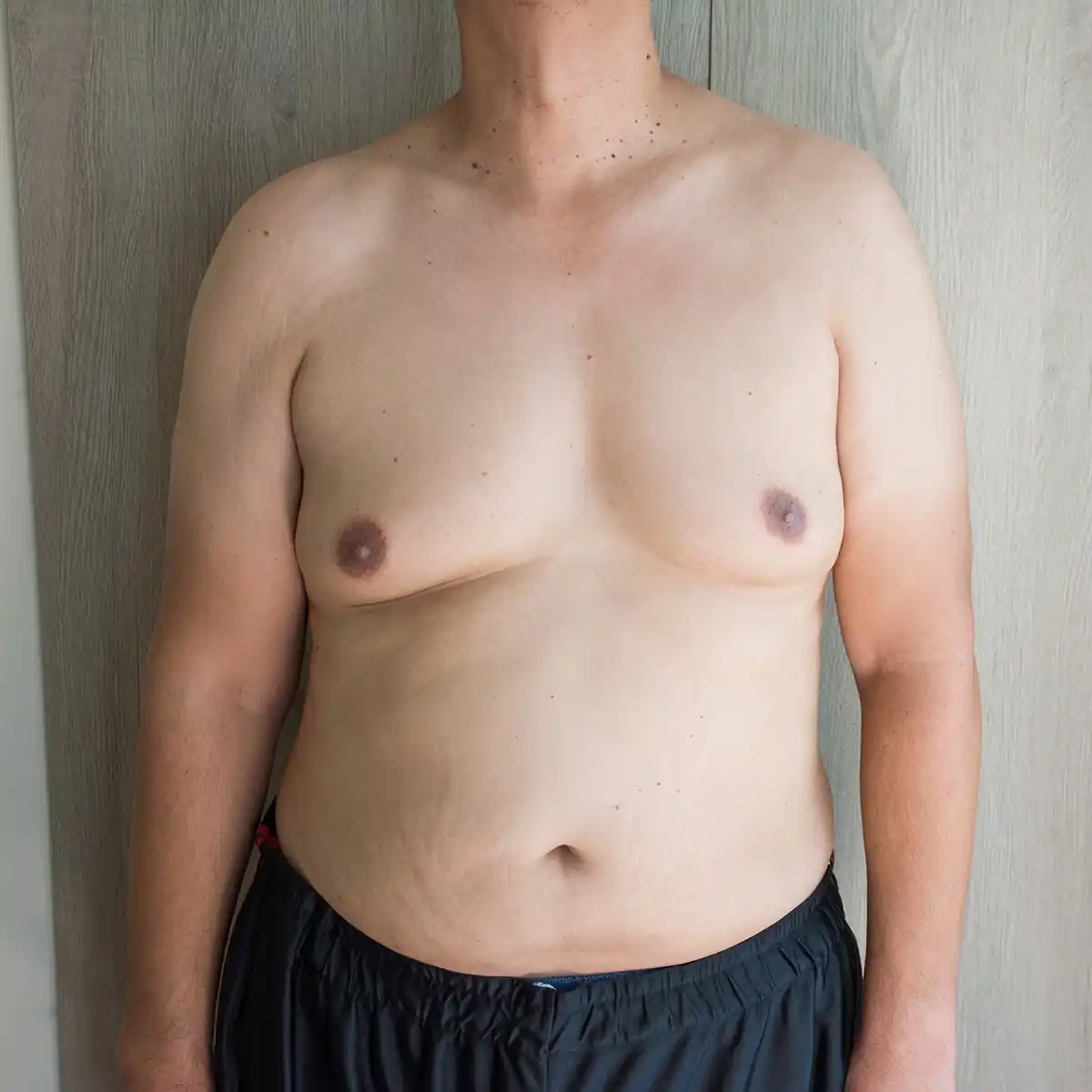
Gynecomastia is a benign, non-cancerous enlargement of the glandular breast tissue in males. Essentially, male breast tissue responds to hormonal influences and grows, creating a firm or rubbery mound of tissue typically centered under the nipple. It can occur in one breast or both. The condition creates a breast-like appearance on the male chest, which can range from a small amount of extra tissue under the nipples to more pronounced enlargement that resembles female breasts.
It's important to understand that gynecomastia is about actual glandular tissue growth, not just fat accumulation. Men, especially those who are overweight, can also develop fatty chests that resemble breasts. This is sometimes called pseudogynecomastia, which is not true gland growth but rather fat deposition. In reality, the two often overlap. An overweight man with real glandular gynecomastia may have both a firm gland and surrounding fat in the chest. The distinction is that true gynecomastia has a component of actual breast gland enlargement, often felt as a disc or firm area under the nipple.
Gynecomastia is remarkably common. Over half of males experience it at some point in their lives. This statistic might surprise many men who feel isolated or embarrassed by the condition. The reality is that gynecomastia affects millions of men and boys, making it one of the most common male breast concerns. Understanding how common it is can help reduce the shame or isolation many men feel when dealing with this condition.
While gynecomastia is not medically dangerous or a health threat in most cases, it can significantly impact quality of life. Society expects a male chest to be flat or muscular, not breast-like. Men dealing with gynecomastia often feel embarrassed, self-conscious, or anxious about their appearance. These feelings are completely valid and understanding what causes gynecomastia, who it affects, and when to seek help can provide reassurance and guidance.
Gynecomastia Treatment at South Tulsa Plastic Surgery
- Gynecomastia Surgery
Frequently Asked Questions
What Causes Gynecomastia to Develop?
The main cause of gynecomastia is a hormonal imbalance or shift, specifically a higher ratio of estrogen to testosterone. Yes, men have some estrogen normally, just as women have some testosterone. The key is balance. When that balance tips, either because testosterone falls, estrogen rises, or the breast tissue becomes more sensitive to estrogen, breast tissue can grow in males.
Hormonal fluctuations are the primary driver. During certain life stages, hormonal changes naturally occur that can trigger gynecomastia. In newborns, baby boys are often born with temporarily enlarged breasts or may even produce a small amount of milk discharge, sometimes called witch's milk. This happens due to exposure to the mother's hormones in the womb. It's completely harmless and typically resolves within a few weeks after birth as the maternal hormones clear from the baby's system.
Puberty is one of the most common times for gynecomastia to develop. During adolescence, many boys experience some degree of breast development. In fact, by mid-puberty, more than half of boys will have some gynecomastia, often appearing as a small tender lump under one or both nipples. This happens because during early puberty, hormone surges can be uneven. Sometimes there's a relative excess of estrogen effect before testosterone levels fully rise and stabilize. The good news is that pubertal gynecomastia is usually temporary. In the majority of cases, it resolves on its own within six months to a couple of years as hormone levels settle into adult patterns. However, those months can feel endless for a teenage boy who is self-conscious about his chest.
Aging brings another surge in gynecomastia incidence, particularly in men over fifty. As men age, testosterone levels tend to decline naturally. Many older men also accumulate more body fat, which can convert androgens into estrogen through a process called aromatization. The result is that approximately 24 to 65 percent of men between fifty and eighty have some degree of breast enlargement. It might be mild, just a bit of puffiness, or more pronounced. This age-related gynecomastia is often linked to the combination of declining testosterone, increased body fat, and medications that become more common with age.
Medications are a significant cause of gynecomastia. A considerable number of prescription drugs can cause breast enlargement as a side effect. These include certain heart medications like digoxin and some blood pressure drugs such as spironolactone and thiazide diuretics. Medications for prostate conditions, particularly finasteride, commonly cause gynecomastia. Some antibiotics and antifungals like ketoconazole, treatments for ulcers such as cimetidine, some cancer treatments, and various psychoactive drugs including certain anti-anxiety medications and antipsychotics can all trigger breast tissue growth. The mechanism usually involves these drugs affecting hormone levels or having estrogen-like effects on breast tissue.
Substance use can be a significant factor. Anabolic steroids, often misused by bodybuilders, frequently cause breast growth in men. When external testosterone is taken, the body converts some of it to estrogen through aromatization, leading to gynecomastia. This is why many bodybuilders who use steroids develop breast tissue despite their otherwise muscular physiques. Marijuana use has been associated with gynecomastia in some studies. Heavy alcohol use can contribute, as the liver processes hormones and chronic alcohol consumption can impair this function, leading to hormone imbalances. Certain other illicit drugs have also been linked to the condition.
Medical conditions can cause gynecomastia by altering hormone balance. Conditions that reduce testosterone production or increase estrogen levels can trigger breast growth. Liver disease, particularly cirrhosis, can lead to higher estrogen levels in men because the damaged liver cannot process hormones properly. Kidney failure, especially in patients on dialysis, can cause hormone shifts. Thyroid disorders, especially hyperthyroidism where the thyroid is overactive, increase certain hormones that can cause gynecomastia. Tumors of hormone-producing glands, such as certain testicular tumors, adrenal tumors, or pituitary tumors, can produce hormones or trigger imbalances leading to breast tissue growth.
Genetic conditions can predispose men to gynecomastia. Klinefelter syndrome, where men have XXY chromosomes instead of XY, causes lower testosterone production. Men with this condition often develop gynecomastia. While these medical and genetic causes are less common than physiological puberty or age-related gynecomastia, doctors will consider them if a man has unexplained breast enlargement, especially if it's large, rapid, or comes with other symptoms.
How Does Gynecomastia Affect Men?
The impact of gynecomastia extends beyond the physical presence of breast tissue. While the condition itself isn't usually painful, though it can be tender during periods of growth, and it's not dangerous as the breast tissue is benign, the emotional and social effects can be significant.
Physically, men with gynecomastia typically notice firm or rubbery tissue under the nipple area. It may be sensitive or tender to touch, especially when it's actively developing. The breast tissue may be noticeable under clothing, particularly tight-fitting shirts. Some men develop actual breast-like contours with the tissue extending beyond just the nipple area.
The emotional impact is often the most challenging aspect. Boys or men with visible breast development may experience a blow to their confidence and self-image. In a society that values flat, muscular male chests, having breasts can feel like a deviation from masculinity. This can lead to significant anxiety about appearance and how others perceive them.
Social situations become sources of stress. Many men with gynecomastia avoid taking off their shirt in public settings like pools, beaches, locker rooms, or gyms. They may wear baggy clothes year-round to hide their chest, even in hot weather. Some men hunch their shoulders forward or cross their arms over their chest habitually to conceal the breast tissue. These adaptations, while helping them feel more comfortable, can reinforce feelings of shame and abnormality.
Teasing and stigma compound the problem. Slang terms like man boobs or moobs can be hurtful and dismissive of genuine distress. Boys going through puberty with gynecomastia may face bullying or teasing from peers, which can have lasting effects on self-esteem. Even well-meaning comments from family or friends can sting.
Intimate relationships can be affected. Some men feel extremely self-conscious with romantic partners, worried about how their chest will be perceived. This anxiety can interfere with intimacy and sexual confidence. The fear of judgment can cause men to avoid new relationships or hide their bodies even from long-term partners.
The psychological toll can be substantial. Some men develop genuine anxiety or depression related to their gynecomastia. Body image concerns can affect overall mental health and quality of life. Men may withdraw from activities they once enjoyed, avoid social interactions, or experience diminished quality of life because of persistent worry about their appearance.
Physical limitations sometimes occur. Large gynecomastia can make certain physical activities uncomfortable. Running or jumping may cause breast tissue to move uncomfortably. Some men avoid exercise entirely due to self-consciousness or discomfort, which can affect overall health and fitness.
It's crucial to acknowledge these feelings and impacts. Just as women can experience distress about breast appearance, men can too, and these feelings are completely valid. If you're dealing with gynecomastia, know that your concern is common, your feelings are legitimate, and help is available.
When Does Gynecomastia Typically Occur?
Gynecomastia can develop at any age, but there are three main life stages when it's most common.
Infancy is the first stage. Many newborn boys have temporary breast enlargement due to maternal hormones crossing the placenta during pregnancy. This neonatal gynecomastia is completely normal and typically resolves within the first few weeks of life as the hormones clear from the baby's system. Parents sometimes notice a small amount of milky discharge from newborn boys' nipples, which is also temporary and harmless.
Puberty is the second major stage. This is when gynecomastia is most common. The condition typically develops between ages ten and fourteen, though it can occur throughout the teenage years. Peak incidence is around age fourteen. During this time, more than half of boys experience some degree of breast tissue development. For most, it appears as a small, firm, sometimes tender disc under one or both nipples. The tissue may be about the size of a quarter or larger.
The duration of pubertal gynecomastia varies. Some boys notice it resolves within six months. For others, it persists for one to two years. The majority see resolution by age seventeen, though some cases persist into young adulthood. If gynecomastia develops early in puberty, it's more likely to resolve on its own. If it persists beyond two years or is quite large, evaluation by a healthcare provider is recommended to rule out underlying causes and discuss management options.
Adult life, particularly middle age and beyond, represents the third peak. Men over fifty have significantly increased incidence of gynecomastia. This age-related gynecomastia results from the natural decline in testosterone that occurs with aging, increased body fat that converts androgens to estrogen, and the higher likelihood of taking medications that can cause breast tissue growth. The prevalence in men aged fifty to eighty is quite high, with estimates ranging from 24 to 65 percent having at least some degree of breast enlargement.
Gynecomastia that develops in adulthood, outside of the older age group, warrants more investigation. If a man in his twenties, thirties, or forties develops new breast tissue, it's important to consider medication effects, substance use, weight gain, or underlying medical conditions as potential causes.
The timing of onset can provide clues about the cause. Sudden, rapid development suggests a hormonal trigger such as starting a new medication or substance use. Gradual development over months or years is more consistent with aging-related changes or slow-progressing conditions. Unilateral development, affecting only one breast, is less common and deserves evaluation to rule out other causes.
What Are Common Myths About Gynecomastia?
Several misconceptions surround gynecomastia. Understanding the facts can help reduce unnecessary worry and stigma.
Myth: Gynecomastia only affects overweight men. While excess body fat can contribute to a fuller chest appearance and fat tissue can convert androgens to estrogen, gynecomastia is fundamentally about glandular breast tissue growth, not fat alone. Lean, athletic men can and do develop gynecomastia, particularly during puberty or due to medications or hormonal conditions. Conversely, overweight men may have chest fullness from fat without true gynecomastia. The two issues can coexist but are not the same.
Myth: Gynecomastia is rare and abnormal. Gynecomastia is actually extremely common. Over half of males experience it at some point in their lives. During puberty, the majority of boys have at least some degree of breast tissue development. In older men, the condition affects 24 to 65 percent of those over fifty. If you have gynecomastia, you're far from alone. It's a normal, common condition even though it's not often discussed openly.
Myth: Gynecomastia means you have cancer. The vast majority of gynecomastia cases are benign and have nothing to do with cancer. Male breast cancer is rare, accounting for only 1 percent of all breast cancers. While any new lump or change should be evaluated, especially if it's hard, fixed, unilateral, or accompanied by other warning signs, most breast tissue in men is harmless gynecomastia, not cancer.
Myth: Gynecomastia will go away if you just lose weight or exercise more. If gynecomastia involves true glandular tissue rather than just fat, weight loss and exercise typically won't eliminate it. Building chest muscles through exercises like push-ups or bench presses can create a more muscular appearance and may slightly improve the contour, but exercises cannot reduce glandular breast tissue. The breast tissue sits on top of the chest muscle, and strengthening the muscle underneath doesn't make the tissue shrink. For pseudogynecomastia that's primarily fat, weight loss can help, but true gynecomastia usually requires other interventions if it doesn't resolve on its own.
Myth: Gynecomastia is a sign of low testosterone. While low testosterone can contribute to gynecomastia, it's not the only cause, and not all men with gynecomastia have low testosterone. The issue is often about the ratio of estrogen to testosterone rather than absolute testosterone levels. Some men with normal or even high testosterone develop gynecomastia, particularly if they're taking substances like anabolic steroids that get converted to estrogen. The hormonal picture is complex and not simply about testosterone being too low.
Myth: Gynecomastia in teenagers means something is wrong. Pubertal gynecomastia is completely normal and affects the majority of boys going through puberty. It's a natural response to the hormonal fluctuations that occur during adolescence. While it can be distressing, it's not a sign that something is medically wrong. In most cases, it resolves on its own without any intervention needed.
Myth: Gynecomastia makes you less masculine. Gynecomastia is a medical condition caused by hormonal factors, not a reflection of masculinity, character, or worth as a man. Millions of men, including athletes and otherwise very masculine men, have experienced gynecomastia. It's a physical condition, not a commentary on who you are as a person.
Myth: Nothing can be done about gynecomastia. While we're not detailing specific interventions in this educational piece, know that gynecomastia is treatable in many cases. Pubertal cases often resolve on their own. Medication-induced cases may improve when the medication is changed. For persistent cases that cause distress, options exist. The condition is not something men simply have to live with if it's significantly affecting quality of life.
When Should I See a Doctor About Gynecomastia?
While gynecomastia is common and usually benign, certain situations warrant medical evaluation.
See a healthcare provider if you're experiencing gynecomastia for the first time and you're not in the typical age ranges. If you're a man in your twenties, thirties, or forties developing new breast tissue without an obvious cause like starting a new medication or significant weight gain, evaluation is appropriate. This can help identify any underlying hormonal issues or other medical conditions.
If you notice rapid or sudden breast enlargement, especially if it's affecting only one side, get it checked. While gynecomastia can be unilateral, sudden one-sided changes or a hard, immobile lump should be evaluated to rule out other causes, including the rare possibility of male breast cancer.
If your gynecomastia is accompanied by other symptoms, seek medical attention. These symptoms might include nipple discharge, especially if bloody, skin changes like dimpling or redness, pain that's severe or localized to a specific spot rather than diffuse tenderness, swelling of lymph nodes under your arm or near your collarbone, or any other changes that concern you.
For teenage boys with gynecomastia that's severe, meaning quite large or pronounced, or persistent beyond two years, medical evaluation is recommended. While most pubertal gynecomastia resolves on its own, persistent or severe cases may benefit from evaluation to ensure there's no underlying cause and to discuss management options if the condition is causing significant distress.
If you've recently started a new medication and then developed breast tissue, inform your healthcare provider. They may be able to switch you to an alternative medication that doesn't have this side effect. Don't stop prescribed medications without medical guidance, but do discuss the issue with your provider.
If gynecomastia is significantly affecting your mental health, self-esteem, or quality of life, this is a valid reason to seek help. If you're avoiding activities you enjoy, feeling depressed or anxious about your appearance, or finding that the condition is interfering with your daily life and relationships, speak with a healthcare provider. Even if the gynecomastia itself isn't medically concerning, its impact on your well-being matters and deserves attention.
For men taking substances like anabolic steroids or using marijuana heavily, and developing gynecomastia, medical evaluation is important both to address the breast tissue and to discuss the health implications of substance use.