Acne Causes, Types & Treatment Options
What Is Acne?
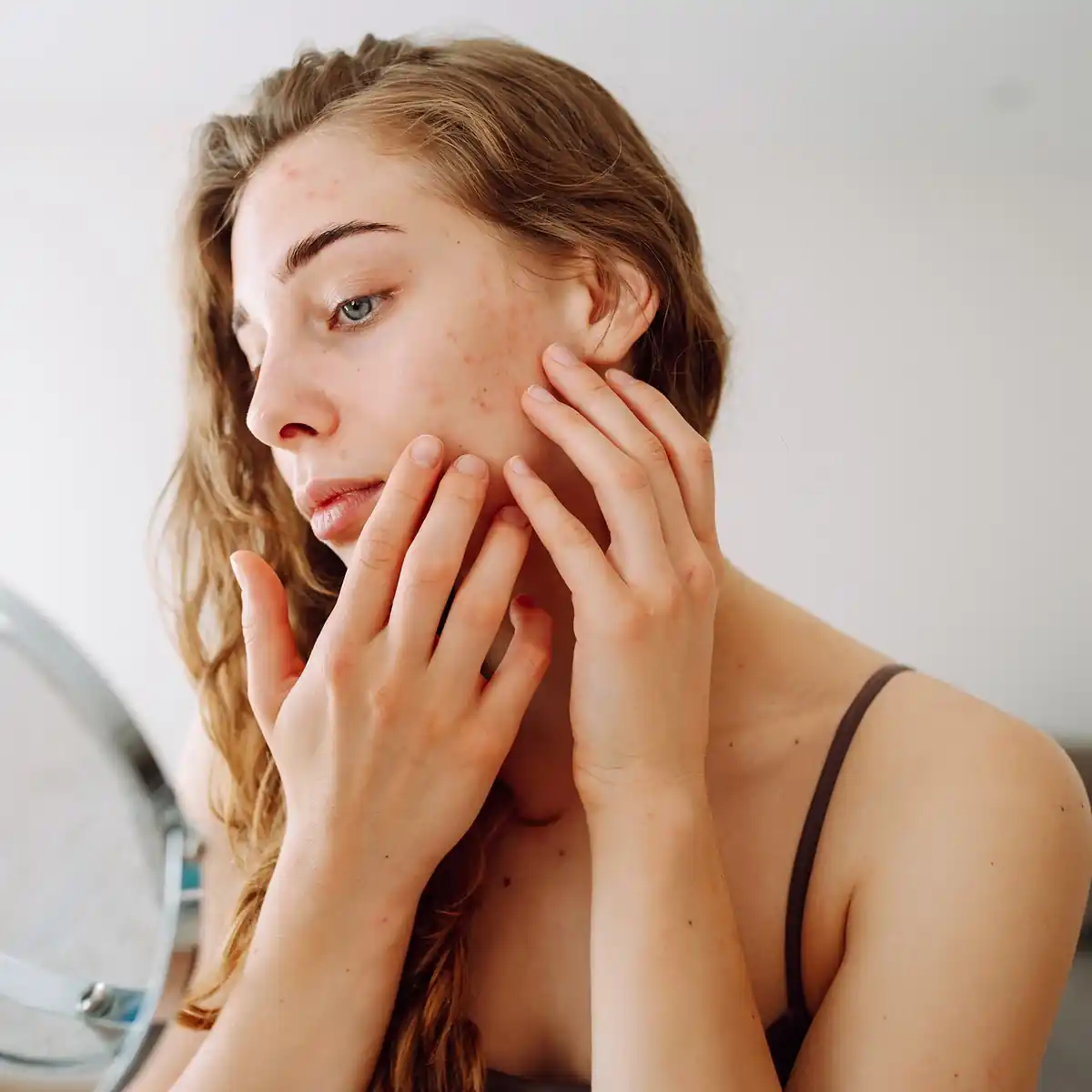
Acne is one of the most common skin conditions worldwide, affecting people across all ages and backgrounds. Medically known as acne vulgaris, it occurs when the pores in your skin become clogged with oil and dead skin cells. These clogged pores can then become inflamed, leading to the visible bumps we recognize as pimples or breakouts. While acne most commonly appears on the face, it can also develop on the chest, back, and shoulders—areas where oil glands are concentrated.
It's important to understand that acne is not caused by dirty skin or poor hygiene. The processes that lead to acne happen beneath the skin's surface, where oil glands produce excess sebum and skin cells don't shed properly. This buildup creates an environment where bacteria naturally present on the skin can thrive, triggering inflammation and those characteristic red, swollen bumps. Acne is a genuine medical condition, not a reflection of cleanliness or personal care habits. Anyone can develop acne regardless of how diligently they wash their face.
Professional Acne Treatment at South Tulsa Plastic Surgery
- Microneedling
- Vampire Facial
- Arctic ProFractional Laser
- Glo2 Facial
- Skincare
Frequently Asked Questions
What Causes Acne to Develop?
Acne develops through a combination of factors working together beneath your skin's surface. The immediate cause involves four key elements: excess oil production, buildup of dead skin cells, bacterial growth, and inflammation. Your sebaceous glands produce natural oil called sebum to keep skin moisturized. When these glands become overactive—often triggered by hormonal changes—they produce too much sebum. If dead skin cells don't shed normally, they accumulate and mix with this excess oil to form a plug in your hair follicles.
Once a pore is clogged, the bacteria Cutibacterium acnes, which normally lives harmlessly on your skin, can multiply rapidly in this trapped oil-rich environment. Your body recognizes this bacterial overgrowth as a problem and sends inflammatory cells to fight it, which is what causes pimples to become red, swollen, and sometimes painful.
Beyond these immediate mechanisms, several factors can increase your likelihood of developing acne or trigger flare-ups. Hormonal fluctuations are among the most significant triggers. During puberty, rising androgen levels cause oil glands to enlarge and produce more sebum, which is why teenagers are particularly affected. Women may experience breakouts around their menstrual periods, during pregnancy, or due to conditions like polycystic ovary syndrome. Genetics also play a substantial role—if your parents dealt with acne, especially severe or persistent cases, you're more likely to experience it yourself.
Certain medications can induce or worsen acne, including corticosteroids, anabolic steroids, lithium, and some anti-seizure medications. Environmental factors matter too: working in greasy environments, living in humid climates, or experiencing friction from sports equipment, helmets, or tight clothing can contribute to breakouts. Even your skincare and cosmetic products can be culprits if they're heavy or oily. While diet isn't a primary cause, some research suggests that high-sugar diets and certain dairy products might worsen acne in susceptible individuals. Stress doesn't directly cause acne, but it can trigger hormonal responses that increase oil production and inflammation, potentially making existing acne worse.
What Are the Different Types of Acne?
Acne presents itself in several distinct forms, ranging from mild to severe. Understanding these types can help you recognize what you're experiencing and gauge the severity of your condition.
The mildest forms are comedonal acne, which includes blackheads and whiteheads. Blackheads are open comedones—small dark spots where a clogged pore is exposed to air, causing the trapped material to oxidize and turn dark. Whiteheads are closed comedones—small white or flesh-colored bumps where the clogged pore remains covered by skin. These non-inflammatory types of acne are often the first signs and are common across all age groups.
Inflammatory acne involves red, swollen bumps called papules and pustules. Papules are tender, pink or red bumps without visible pus, while pustules are similar bumps topped with white or yellow pus. These develop when bacteria and inflammation become involved in the clogged pore. Moderate acne typically consists of numerous papules and pustules that may cover larger areas of the face or body.
The most severe form is nodular or cystic acne. Nodules are large, painful lumps deep beneath the skin's surface, while cysts are similar deep lesions that are filled with pus. These severe types can be quite tender and often last for weeks. They're more likely to cause scarring and dark spots after they heal. Some people experience only one type of acne, while others have a combination of several types occurring simultaneously.
How Do I Know If I Have Acne?
Recognizing acne is usually straightforward, as it has distinctive characteristics that set it apart from other skin conditions. The primary signs include the presence of blackheads, whiteheads, or pimples on your skin, particularly on your face, chest, back, or shoulders.
You might notice your skin appears oily or shiny in areas where breakouts occur, as excess sebum production often accompanies acne. Blackheads look like tiny black or dark spots on the skin's surface. Whiteheads appear as small white bumps. Red bumps without pus are papules, while those with white or yellow centers are pustules. If you feel painful lumps beneath your skin that don't come to a head, these could be nodules or cysts.
Acne commonly affects the face, especially the forehead, nose, and chin (collectively called the T-zone) though cheeks and the jawline can also be affected. The chest and upper back are also frequent sites since these areas have many sebaceous glands. Shoulders and upper arms may develop acne too, particularly if irritated by clothing or athletic gear.
The severity can vary considerably. Mild acne might mean only occasional small pimples or blackheads. Moderate acne involves noticeable red breakouts that come and go. Severe acne includes numerous inflamed pimples along with deep, painful nodules or cysts covering larger areas of skin. Unlike conditions such as eczema or psoriasis, acne bumps typically have the characteristics described above—comedones or pus-filled lesions that are quite distinctive to acne.
It's worth noting that acne can leave dark spots or patches called post-inflammatory hyperpigmentation once pimples heal, especially in people with medium to darker skin tones. These aren't true scars and usually fade over time, but they indicate where your skin experienced inflammation. Actual scarring (permanent texture changes, indentations, or raised areas) can result from deep or long-lasting acne lesions.
How Common Is Acne and Who Does It Affect?
Acne is remarkably common, affecting approximately 85 percent of people at some point in their lives. It's one of the most widespread skin conditions globally, touching people of all ages, races, and genders.
Teenagers and young adults are most commonly affected. Acne typically begins around puberty, with onset often between ages 11 and 14. The majority of adolescents experience at least some degree of acne during their teen years. The condition often peaks in severity during the mid-to-late teenage years and frequently improves as people enter their twenties.
However, acne isn't exclusively a teenage condition. Adult acne is increasingly recognized and affects a significant number of people well beyond their adolescent years. Women are particularly susceptible to adult acne, with estimates suggesting up to 15 percent of adult women experience ongoing breakouts, often influenced by hormonal fluctuations related to menstrual cycles, pregnancy, or menopause. Some individuals who never had acne as teenagers develop it for the first time in their thirties or forties.
Both males and females develop acne, though boys tend to experience more severe forms during adolescence due to higher androgen levels. As people age into adulthood, women become more likely to have persistent acne compared to men. Acne affects people of all ethnic backgrounds and skin tones, though the way it appears and heals can vary. For instance, individuals with darker skin tones are more prone to developing dark marks after pimples heal, a condition called post-inflammatory hyperpigmentation.
The universality of acne means that if you're experiencing breakouts, millions of others are going through the same thing. This is a well-studied condition with extensive information and support available.
Can Acne Go Away on Its Own?
Yes, acne can resolve on its own, though the timeline varies significantly from person to person. Many cases of acne are tied to hormonal life stages, particularly adolescence. Teenage acne often improves naturally as individuals move into their twenties and hormone levels stabilize. For most people, acne significantly diminishes by the late twenties or thirties. In this sense, mild to moderate acne frequently runs its course and eventually clears without intervention.
However, several important factors complicate this picture. Not everyone's acne fully resolves by adulthood. Some people, especially women, continue experiencing breakouts into their thirties, forties, and even fifties. Adult acne is a genuine phenomenon, often driven by persistent hormonal fluctuations. The condition may disappear for years and then resurface later in life.
The severity of acne also influences whether it will clear on its own. Mild acne with occasional small pimples may indeed fade without intervention. Moderate to severe acne with numerous inflamed lesions or deep nodules is less likely to resolve spontaneously and more likely to persist or worsen without help. Severe acne can last for years if not addressed.
Individual factors matter significantly. Some people have naturally resilient skin that clears breakouts quickly, while others are prone to persistent acne due to genetic factors, ongoing hormonal influences, or other individual characteristics. One person's acne might clear within months, while another person with seemingly similar acne might struggle with it for years.
While waiting for acne to clear on its own is certainly an option, this approach carries risks. During the months or years of waiting, acne can cause scarring, dark spots, and emotional distress. The longer severe acne persists, the more likely it is to leave permanent marks. Additionally, the psychological impact of ongoing breakouts can affect self-esteem and quality of life during this waiting period.
What Happens If Acne Is Left Untreated?
When acne goes untreated, several outcomes are possible, ranging from natural resolution to persistent problems and permanent changes to your skin.
For mild acne, leaving it untreated often means the condition may simply continue at a low level—a few pimples here and there—for months or years. These minor breakouts might eventually fade as hormones stabilize with age, though they could also persist longer than necessary. The main concern with untreated mild acne is that it can progress to moderate or severe acne if the underlying factors intensify.
For moderate to severe acne, the consequences of leaving it untreated become more significant. Persistent inflammation can damage skin tissue, leading to scarring. Acne scars can be permanent and may appear as indentations, raised areas, or textural changes in the skin. Deep nodules and cysts are particularly likely to cause scarring. Once scarring occurs, it's much more difficult to address than the original acne would have been.
Beyond scarring, untreated acne frequently leaves post-inflammatory hyperpigmentation—dark spots or patches where pimples once were. While these marks often fade over months, they can last longer in some people and may be quite noticeable, especially on darker skin tones. The longer acne remains active, the more of these marks accumulate.
Severe untreated acne can also lead to physical discomfort. Large nodules and cysts can be genuinely painful and may affect your daily activities. In rare cases, severe acne can become so inflamed that it causes systemic symptoms or leads to infections requiring medical attention.
The emotional and psychological impact of untreated acne shouldn't be underestimated. Persistent visible breakouts can affect self-esteem, confidence, and mental health. Some people with ongoing acne report feeling anxious, depressed, or socially withdrawn. These effects on quality of life can be significant and long-lasting.
In some cases, untreated acne does eventually improve on its own as hormone levels change with age. However, the risk of scarring, dark marks, and years of emotional distress often outweighs the potential benefit of waiting. The earlier acne is addressed, the better the chances of preventing permanent changes.
Who Is Most at Risk for Developing Acne?
While acne can affect anyone, certain groups of people are more susceptible to developing this condition. Understanding these risk factors can help you recognize whether you're likely to experience acne and set appropriate expectations.
Teenagers and young adults are the most commonly affected group. The hormonal surges of puberty trigger the oil glands to become more active, making acne almost universal during adolescence. Most people between ages 11 and 30 will experience at least mild acne at some point. Boys often develop more severe acne during the teenage years due to higher testosterone levels.
People with a family history of acne face significantly higher risk. If one or both of your parents had acne, especially severe or adult-onset acne, you're substantially more likely to develop it yourself, potentially at earlier ages and with greater severity. The hereditary component is one of the strongest predictors of who will get acne.
Women of various ages face unique acne risks. Hormonal fluctuations related to menstrual cycles commonly trigger breakouts in adult women. Pregnancy, childbirth, and menopause can all provoke acne due to changing hormone levels. Women with polycystic ovary syndrome are particularly prone to persistent acne. This explains why adult acne disproportionately affects women even though teenage boys tend to have more severe cases.
People taking certain medications have elevated risk. Those prescribed corticosteroids, anabolic steroids, lithium, or some anti-seizure medications may develop acne as a side effect. If you've recently started a medication and noticed new breakouts, this connection is worth considering.
Individuals working in certain environments face higher exposure to acne triggers. Jobs involving heat, humidity, or contact with oils and greasy substances can increase acne risk. Athletes who wear protective equipment that rubs against skin may develop mechanical acne from friction and trapped sweat.
People who use heavy cosmetics or skincare products, especially those containing oils, may be more susceptible to clogged pores. Additionally, individuals experiencing high stress levels may find their acne worsens, as stress can influence hormone production and oil secretion.
Can Acne Be Prevented?
Preventing acne entirely is challenging because many of its causes—genetics, hormones, and age—are beyond your control. A teenager going through puberty may do everything right and still develop pimples due to normal hormonal changes. However, while you can't guarantee prevention, you can take steps to minimize the likelihood and severity of breakouts.
Maintaining a gentle skincare routine is foundational. Wash your face twice daily with a mild, non-abrasive cleanser and lukewarm water. This removes excess oil, sweat, and environmental debris that could contribute to clogged pores. Avoid harsh scrubbing or over-washing, as irritating your skin can actually worsen acne by triggering more oil production and inflammation. After sweating from exercise or physical activity, cleanse your skin promptly.
Choose your products wisely. Look for cosmetics, sunscreens, and moisturizers labeled "non-comedogenic" or "oil-free," as these are formulated not to clog pores. Even acne-prone or oily skin benefits from moisturizing—just select lightweight, water-based products. Always remove makeup before bed to allow your skin to breathe overnight.
Minimize touching your face throughout the day. Your hands carry oils and bacteria that can transfer to your skin and contribute to breakouts. Resist the urge to pick at, squeeze, or pop pimples, as this can push inflammation deeper, spread bacteria, and increase the risk of scarring and dark spots. If you can leave blemishes alone, they typically heal more cleanly.
Be mindful of items that contact your face. Wash pillowcases, towels, and washcloths regularly. Keep hair products like pomades and gels away from your hairline, as these can cause breakouts along your forehead. If you wear hats, helmets, or headbands, clean them frequently and ensure they're not too tight. Athletic equipment that presses against your skin can trap sweat and oil, so rinse off and cleanse promptly after activities.
Consider your diet, though recognize that food isn't a primary cause. Some evidence suggests that high-sugar diets and excessive dairy consumption may worsen acne in certain people. Eating a balanced diet with plenty of water, fruits, vegetables, and whole grains supports overall skin health. Managing stress through adequate sleep, exercise, and relaxation techniques may help, as stress can influence hormones and inflammation.
Protect your skin from excessive sun exposure. While some people believe sun helps dry out acne, UV damage can actually worsen inflammation and lead to dark spots after breakouts heal. Use a non-comedogenic sunscreen daily.
Is Acne Genetic or Hereditary?
Yes, acne has a strong genetic component. If acne runs in your family, you're significantly more likely to experience it yourself. Research consistently shows that having parents or siblings with acne increases your risk substantially.
Studies examining twins have found that identical twins are much more likely to both have acne compared to fraternal twins, suggesting genetic factors play a major role. Family studies reveal that if both of your parents had acne, you face a much higher likelihood of developing it compared to someone whose parents had clear skin. The genetic influence extends beyond whether you'll get acne to include factors like age of onset, severity, and how long it persists.
Your genes influence several aspects of acne development. They affect how active your oil glands are and how much sebum they produce. Genetics also influence how your skin cells shed and whether they're prone to clogging pores. Your immune system's inflammatory response—how aggressively it reacts to bacteria and clogged pores—has genetic components too. Even how your skin heals from acne, including the tendency to develop scars or dark spots, has hereditary elements.
The inheritance pattern isn't simple. Acne doesn't follow a straightforward dominant or recessive pattern like some genetic conditions. Instead, multiple genes likely contribute, each adding a small piece to your overall risk. This complex inheritance explains why acne varies so much in severity and presentation, even within the same family.
However, having genetic predisposition doesn't guarantee you'll develop acne, and not having a family history doesn't make you immune. Genes load the gun, but environmental and hormonal factors pull the trigger. You might carry genes that make you susceptible, but if you never experience the hormonal changes or environmental exposures that activate those genes, you might have minimal or no acne. Conversely, someone without strong genetic risk factors could still develop acne due to powerful hormonal triggers or environmental influences.
Understanding the hereditary nature of acne can be empowering rather than discouraging. If acne runs in your family, you can be proactive about skincare habits from an early age and recognize that persistent breakouts aren't your fault—they're influenced by factors you inherited. This knowledge can also guide expectations; if your parents had acne well into adulthood, you might anticipate a similar pattern for yourself.
When Should I See a Doctor About Acne?
While many people manage mild acne with over-the-counter products and good skincare habits, there are clear situations when seeing a healthcare provider becomes important.
Seek professional help if your acne is severe. If you're developing large, painful nodules or cysts beneath your skin, these deep lesions require attention. Severe acne is more likely to cause permanent scarring and typically doesn't respond adequately to self-care alone. The earlier severe acne is addressed, the better the outcome.
Consider consulting a professional if your acne isn't improving despite consistent efforts. If you've been following a good skincare routine and perhaps trying gentle over-the-counter products for several weeks or months without noticeable improvement, it's reasonable to seek guidance. Persistent moderate acne that continues month after month may benefit from intervention.
If acne is leaving scars or dark marks, this signals a need for professional evaluation. Scarring indicates that inflammation is affecting deeper layers of your skin and that your current approach isn't preventing tissue damage. Addressing active acne before more scarring occurs is crucial, as scars are much harder to address than active breakouts.
The emotional impact of acne is a valid reason to seek help. If you're feeling very self-conscious, anxious, or depressed about your skin, or if acne is causing you to avoid social situations or affecting your quality of life, speak with a provider. The psychological effects of acne are real and well-recognized. You don't have to wait until acne is physically severe to seek support.
Sudden onset of acne in adulthood warrants evaluation, especially if you never had significant breakouts before. Adult-onset acne can sometimes signal underlying hormonal imbalances or other health conditions that merit investigation. Women experiencing acne along with irregular periods, excess facial hair, or unexplained weight changes should definitely consult a healthcare provider, as these could indicate conditions like polycystic ovary syndrome.
If you're uncertain about what you're seeing on your skin, it's worth getting it checked. While acne is usually easy to recognize, other skin conditions can sometimes mimic it. A professional can confirm the diagnosis and rule out conditions like rosacea, folliculitis, or other skin issues that might require different approaches.